

Spring is when many homeowners start deep cleaning their homes. Closets get organized, windows are washed, and dust is finally cleared away after winter. While these tasks help freshen up your space, one important area is often overlooked during spring cleaning: your HVAC system.
Your heating and cooling system works throughout the year to keep your home comfortable. Over time, dust, debris, and airflow issues can build up and affect how well the system runs. Taking time to check a few key areas during spring cleaning can help improve efficiency, air quality, and system performance before warmer weather arrives.
This guide explains some commonly missed HVAC tasks and provides a simple spring HVAC checklist to help keep your system in better shape.
24/7 Emergency Service
301-663-0300Why HVAC Spring Cleaning Matters
Your HVAC system moves air through your home every day. If parts of the system become dirty or blocked, airflow can slow down, and the system must work harder to maintain indoor temperatures.
When homeowners skip HVAC maintenance in spring, several problems can develop:
- Reduced airflow throughout the house
- Higher energy use as the system works harder
- Dust and allergens circulating indoors
- Increased wear on important system components
Cleaning and checking your system during spring cleaning can help you clean your HVAC system, improve airflow, and prepare the equipment for the upcoming cooling season.
Replace or Check the Air Filter
One of the most important tasks on any spring HVAC checklist is checking the air filter.
The filter traps dust, pet hair, and other particles before they enter the system. Over time, the filter becomes clogged and blocks airflow.
Signs your filter may need replacement include:
- Dust buildup around vents
- Reduced airflow from registers
- The system running longer than usual
Most homes benefit from replacing the filter every one to three months. Installing a fresh filter during HVAC spring cleaning can improve airflow and help keep the system running more efficiently.
Look at Supply and Return Vents
Vents are another area often missed during spring cleaning. Furniture, rugs, or household items sometimes block airflow without homeowners realizing it.
Walk through your home and check both supply vents and return vents. Make sure they are not covered or obstructed.
You can also remove vent covers and gently vacuum away dust buildup. Keeping vents clear helps the system move air evenly through your home and prevents unnecessary strain on the equipment.
Clear Around the Outdoor Unit
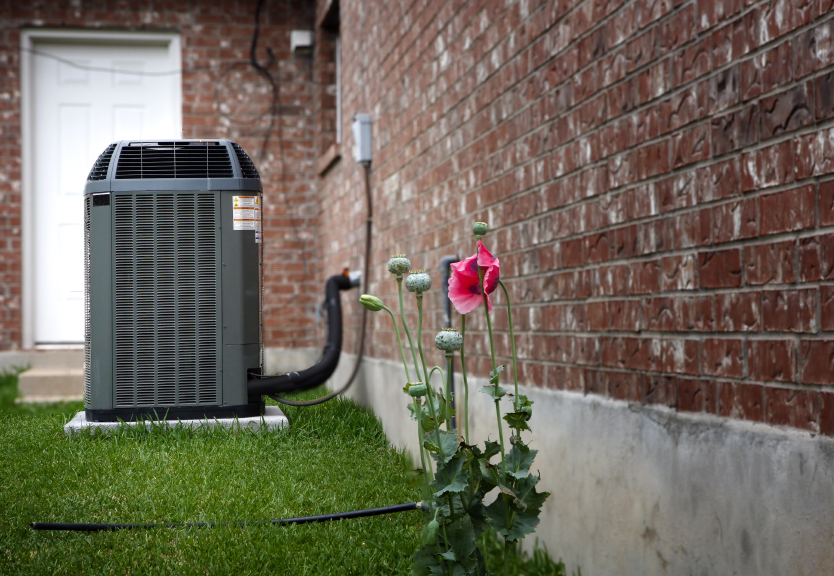
Your outdoor unit collects debris throughout the year. Leaves, sticks, grass clippings, and dirt can gather around the system and restrict airflow.
Part of HVAC maintenance in spring should include checking the outdoor condenser unit. Look for:
- Leaves or debris around the base of the unit
- Plants or shrubs growing too close
- Dirt buildup on the exterior coils
Keep at least two feet of space around the unit to allow proper airflow. Clearing this area helps the system release heat more effectively and improves cooling performance during warm weather.
Check for Airflow Problems Inside the Home
Spring is a good time to pay attention to airflow throughout the house. Uneven temperatures or weak airflow can sometimes signal an issue with ductwork, vents, or system components.
You may notice signs such as:
- Some rooms cooling faster than others
- Airflow that feels weak from certain vents
- Rooms that remain warmer than the rest of the home
These issues can develop slowly and often go unnoticed during the winter months. Checking airflow during HVAC spring cleaning helps identify potential problems early, before summer demand increases.
Listen for Unusual Sounds
When you first begin using your cooling system again in spring, listen for unusual noises.
A properly operating HVAC system should run smoothly and quietly. If you hear rattling, grinding, or buzzing sounds, the system may need inspection or service.
Catching these problems early can help prevent larger repairs later in the season.
Schedule Professional HVAC Maintenance
While homeowners can complete many items on a spring HVAC checklist, a professional inspection provides a deeper look at the system.
A technician can check parts that are harder to access, such as electrical connections, refrigerant levels, coils, and other internal components.
At Frederick Air, we provide professional HVAC maintenance to help keep your system running reliably. Our team focuses on thorough inspections and honest recommendations to help prevent problems before the cooling season begins.
Combining simple spring checks with professional service can help protect your system and keep your home comfortable throughout the year.