

Maryland winters, especially here in Frederick, can shift quickly from mild to icy, and that temperature swing often shows up on your utility bill. When cold fronts move in, and the furnace is working overtime, small inefficiencies become expensive fast. The good news is that lowering heating bills doesn’t require major renovations. A few simple steps, routine maintenance, and smart upgrades can make a noticeable difference in your winter energy costs.
If you’re looking for practical, Maryland-specific ways to stay warm without overspending, here are some of the most effective strategies.
Contact Frederick Air today to schedule energy-efficient heating services in Frederick, MD, and nearby areas.
24/7 Emergency Service
301-663-03001. Schedule a Professional Furnace Tune-Up
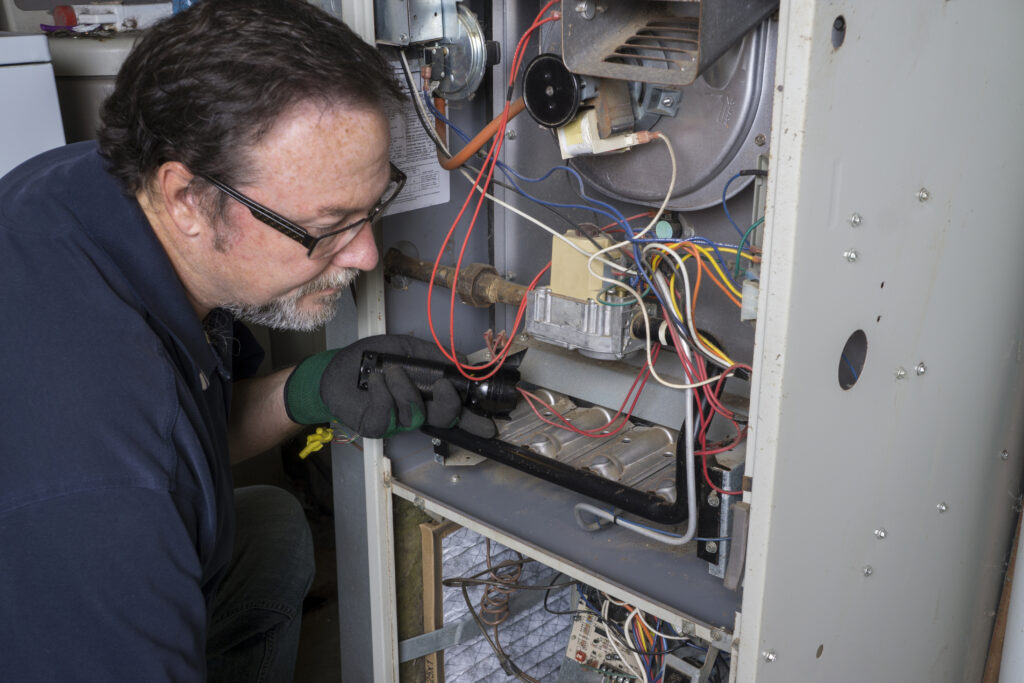
A yearly tune-up is one of the simplest ways to reduce heating costs. When your furnace is clean and properly adjusted, it doesn’t need as much energy to heat your home. During a maintenance visit, a Frederick Air technician checks key parts, cleans buildup, tests safety controls, and makes sure the system is running as efficiently as possible. This helps lower energy use and reduces the chance of a surprise breakdown during a cold spell.
2. Replace Dirty Filters Regularly
Dirty filters are one of the most common reasons homeowners notice rising energy bills. When a filter is clogged, your furnace has to work harder to move air through the house. That extra effort raises energy use and can shorten the life of your system. In most Maryland homes, filters should be replaced every one to three months during the winter season.
3. Seal Air Leaks & Improve Insulation
Even the most efficient heating system will waste energy if warm air keeps escaping. Many Frederick-area homes, especially older homes, lose heat through gaps around windows, doors, attic hatches, and recessed lights. Adding weatherstripping, sealing cracks, and improving attic insulation can make a big difference in both comfort and energy use. These upgrades help keep heated air inside, which means your furnace doesn’t have to run as often.
This is especially helpful on windy winter days when drafts become more noticeable.
4. Install a Programmable Thermostat
A programmable thermostat helps you avoid the constant up and down temperature adjustments that waste energy. In Maryland homes, where temperatures can swing from mild afternoons to freezing nights, a steady schedule makes a big difference. You can set the heat to drop a few degrees while you’re at work or overnight, then warm the house before you wake up. This keeps the furnace from running when it doesn’t need to, and many Frederick homeowners see noticeable savings within the first month.
Many homeowners also like the added convenience; some models let you manage your home’s temperature from your phone.
5. Consider Upgrading to a High-Efficiency System
If your furnace is older, it may be wasting far more energy than you realize. Systems that are 12 to 15 years old or more usually run longer and use more fuel to keep up with cold Maryland weather. A modern high-efficiency furnace or heat pump can lower your monthly bills, heat your home more evenly, and reduce the risk of breakdowns.
Upgrading is especially worth considering if:
- You’ve noticed rising utility bills
- Your system struggles to heat the home on the coldest days
- Repairs are becoming more frequent
Bonus Tip: Balance Humidity for Comfort
Dry air is common during Maryland winters, and it makes your home feel colder. When humidity levels drop too low, you may turn the thermostat up simply to feel comfortable. A whole-home humidifier helps keep the air balanced so your home feels warmer without raising the temperature. It also reduces static electricity and helps protect wood floors and furniture.
For service, upgrades, or expert advice, contact Frederick Air today to schedule heating services in Frederick, MD.
FAQ: Energy Savings & Heating Efficiency
What Temperature Should I Set My Thermostat To In Winter?
Most homeowners stay comfortable with the thermostat set around 68 to 70 degrees during the day. Lowering it a few degrees at night or when you’re away can noticeably reduce energy use.
How Can I Tell If My Furnace Is Inefficient?
Higher bills, uneven temperatures, long run times, and frequent cycling are common signs. Older systems that haven’t been maintained regularly are more likely to lose efficiency.
Should I Replace My System Or Repair It?
If the system is newer and the issue is minor, a repair usually makes sense. If the furnace is aging, has had multiple repairs, or struggles to keep up in cold weather, replacing it may save more money long-term. A Frederick Air technician can help you compare both options.