

When winter hits Maryland, many homeowners wonder whether they should cover their air conditioner to keep it safe from the elements. It seems logical; after all, you wouldn’t want snow or ice damaging your equipment. But the truth is, covering your AC during a Maryland winter might do more harm than good. Let’s break down the pros, cons, and smarter alternatives to keep your system in great shape through the colder months.
Pros of Covering Your AC Unit
There are a few potential benefits to using a cover, but they come with caveats.
Keeps Out Leaves, Debris & Moisture
A well-fitted, breathable cover can help block out leaves, twigs, and other debris that might otherwise blow into your outdoor condenser. Over time, buildup inside the unit can affect airflow and reduce system efficiency. By keeping the area cleaner, you minimize the need for early-season maintenance once spring arrives.
Prevents Corrosion from Ice Build-Up
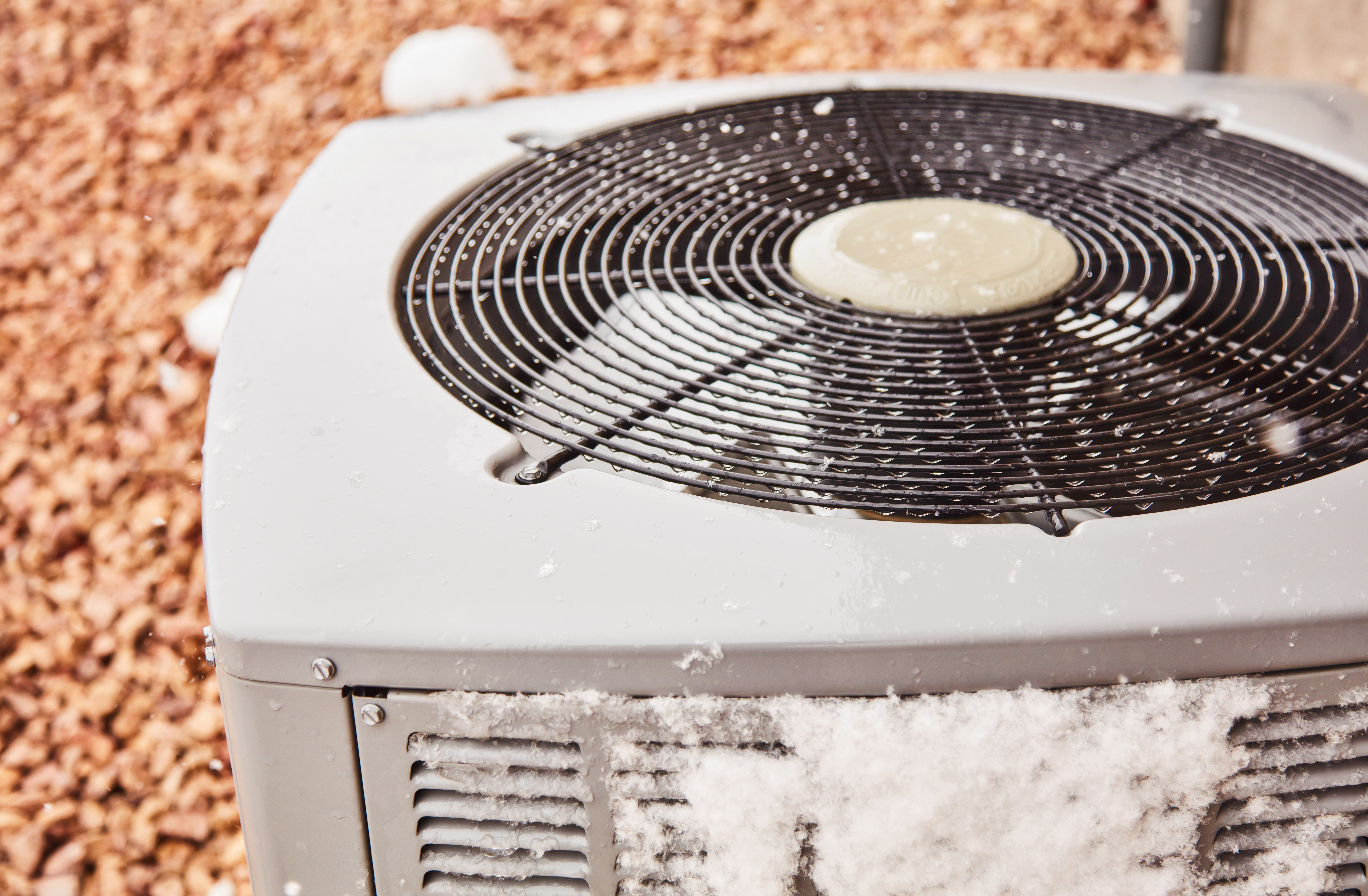
In some cases, a light cover can protect the top of the unit from icicles or freezing rain that could lead to minor corrosion. While outdoor systems are designed to withstand precipitation, a simple top cover may help reduce direct exposure, especially if the unit sits beneath a roof edge or in a spot where runoff tends to collect.
Cons of Covering Your AC
Now, for the other side of the debate, the reasons most HVAC professionals recommend skipping a full AC cover entirely.
Traps Moisture, Encouraging Mold or Rust
Even a small amount of trapped moisture can create big issues. When you fully wrap your AC, humidity from rain, snow, or condensation gets sealed inside, creating the perfect environment for rust and mold growth. Instead of preventing corrosion, a tight cover can speed it up by keeping moisture in rather than out.
Attracts Rodents Seeking Warmth
A covered unit can quickly become a cozy shelter for rodents or other small animals trying to escape the cold. Once inside, they may chew on electrical wires or insulation, leading to expensive repairs when spring comes. Leaving your unit uncovered (or using only a top cover) helps keep pests from moving in.
What You Should Do Instead
Instead of relying on a full cover, there are simple steps you can take to keep your air conditioner safe and ready for next season.
Clean Around the Unit
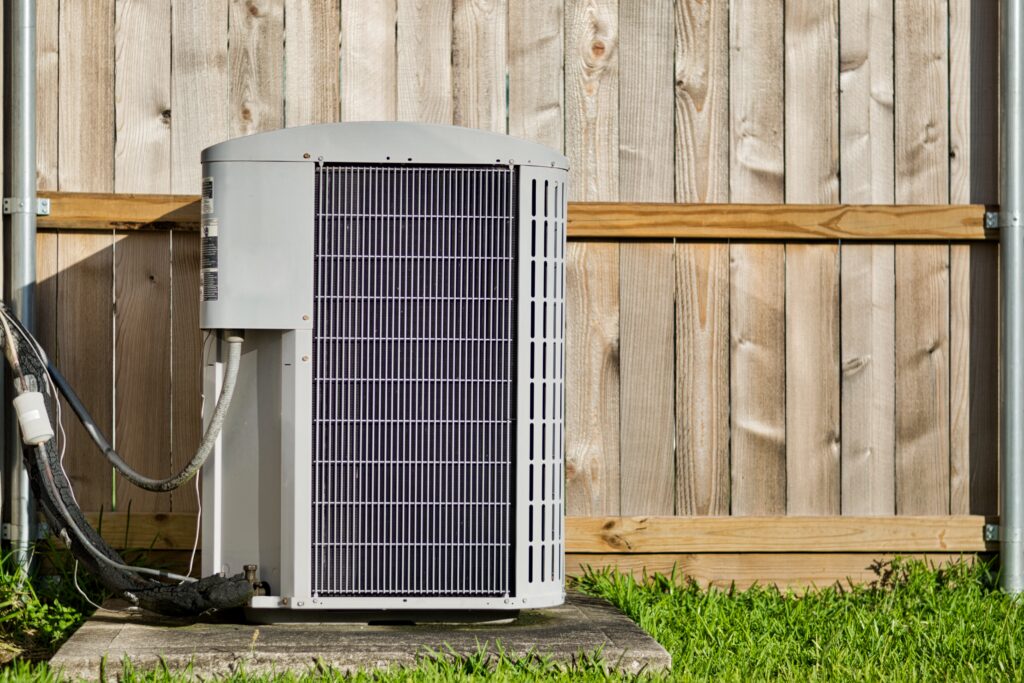
Start by clearing away leaves, grass clippings, and other debris from around the base of your outdoor unit. Maintain at least two feet of clearance in all directions to allow for proper airflow. This helps prevent debris buildup and keeps the condenser coils from getting clogged with dirt or organic material.
Use a Breathable Top Cover Only if Needed
If you’re concerned about falling debris or ice, a breathable mesh cover designed just for the top of the unit can offer protection without trapping moisture. Avoid wrapping the entire unit, as this can lead to moisture and pest problems mentioned above. Think of it as a shield, not a seal.
When to Schedule Pre-Winter AC Maintenance
The best time for preventive AC maintenance is during the fall, before the weather turns cold. Your technician can shut down and inspect the outdoor unit, ensuring it’s clean and clear of debris before it goes dormant for the season. They can also let you know if it is in need of AC repair.
At Frederick Air, our team provides expert AC services and seasonal maintenance to help your system run efficiently year-round. Whether you need cleaning, inspections, or minor repairs, you can count on our experienced technicians to do the job the right way.
Schedule AC maintenance in Frederick today to keep your system protected and ready for next spring.
FAQ: Protecting Your AC in Winter
Is It Okay To Leave My AC Uncovered?
Yes, in most cases it’s perfectly fine to leave your air conditioner uncovered. The unit is built to withstand rain, snow, and cold weather without damage. Just keep the area clear of leaves and debris.
How Do I Protect My Unit From Snow?
You can brush off heavy snow buildup if needed, but most light snow and ice won’t harm the unit. Avoid using a full cover; instead, focus on keeping the area around it clear so melting snow can drain properly.
Should Heat Pump Owners Cover Their Units?
No, heat pumps run year-round to provide both heating and cooling. Covering them can block airflow and cause serious performance problems. Heat pumps are designed to operate in cold conditions without additional protection.