
Do you find yourself sniffling indoors during the colder months? Even though outdoor pollen levels drop, many homeowners notice that allergy-like symptoms and general stuffiness seem to get worse when it’s cold outside. As your local HVAC experts since 1992, we’re breaking down why this happens and what you can do about it to improve your indoor air (IAQ) quality this winter.
Why Dust and Allergens Get Worse in Winter
In Frederick, winter means sealed windows, steady heating, and a lot more time spent indoors. All of that can allow dust and other allergens to build up inside your home, creating the perfect conditions for stuffy noses.
Homes are sealed more tightly during cold weather
To keep warm air in and heating bills down, windows stay shut, doors stay closed, and natural ventilation is limited. While this helps with comfort, it also traps dust, pet dander, and other airborne particles inside, allowing them to circulate repeatedly instead of being flushed out.
Heating systems keep the air constantly moving
Your heating system plays a big role in how air moves through your home. As warm air circulates, so do allergens. Dust that has settled in ductwork, on vents, or around registers can be picked up and redistributed throughout the house. Without proper filtration and maintenance, this cycle can make dust allergies at home feel more noticeable.
Increased indoor activity
Winter usually means more cooking, cleaning, and everyday living indoors. Foot traffic stirs up dust from floors and carpets, pets spend more time inside shedding dander, and common household activities release particles into the air. All of this adds to the allergen load your HVAC system has to manage.
Common Indoor Allergens to Watch for in Winter
Many winter air quality issues come from sources inside the home, including:
- Dust mites: Dust mites thrive in soft surfaces like bedding, upholstered furniture, and carpets, and dry indoor air can make their presence more noticeable. Regular cleaning and proper humidity levels help keep them in check.
- Pet dander: Pets shed year-round, but winter keeps them indoors more often. Dander can easily become airborne and circulate through your home, especially if filters and ductwork aren’t regularly maintained.
- Household dust and debris: Everyday dust comes from a mix of fabric fibers, tracked-in dirt, and aging materials inside the home. Over time, this dust can accumulate in HVAC components and get redistributed whenever the system runs.
Practical Ways to Reduce Indoor Allergens
Taking a few simple, effective steps can help you reduce indoor allergens this winter:
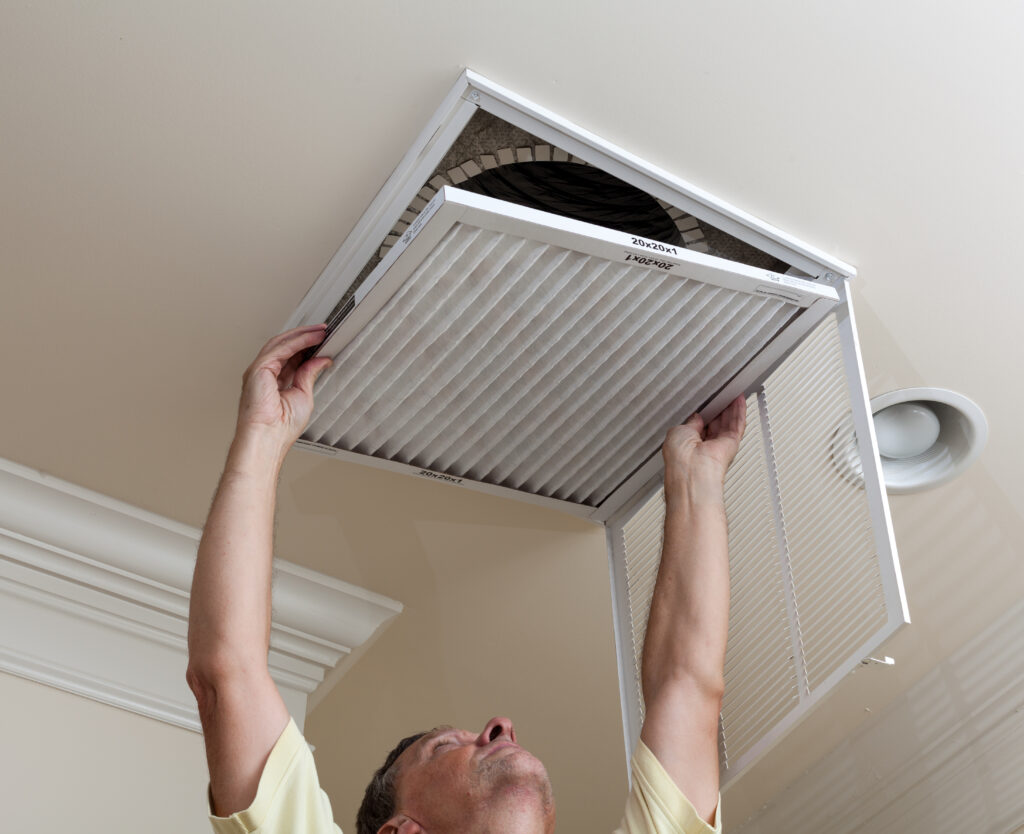
Replace HVAC air filters regularly
Air filters are designed to capture dust and airborne particles before they circulate through your home. During winter, filters often need to be changed more frequently because systems run longer each day. A clean filter supports better airflow and cleaner indoor air.
Vacuum and dust strategically
Using a vacuum equipped with a high-efficiency filter helps trap fine particles instead of sending them back into the air. When dusting, use a damp cloth rather than a dry one to keep particles from becoming airborne again.
Keep humidity balanced
Extremely dry air allows dust to stay suspended longer. Maintaining moderate humidity helps particles settle and improves overall comfort. While you don’t want excess moisture, balanced humidity can make a noticeable difference in how your home feels.
Be mindful of airflow and vents
Blocked or dusty vents can push debris back into the air. Make sure registers are clean and unobstructed, so air flows properly and evenly throughout your home.
How Your HVAC System Impacts Winter Air Quality
Your HVAC system plays a central role in managing indoor air quality, especially during winter. Dust buildup on internal components can limit how well your system filters and moves air. Over time, this can contribute to stuffiness and uneven airflow throughout the home.
Your air filter’s quality is also important, as not all air filters offer the same level of performance. Choosing the right filter for your system and replacing it every one to three months helps support cleaner air without putting unnecessary strain on your equipment.
Get Indoor Air Quality Assistance From Frederick Air
If allergens persist despite good habits and regular filter changes, it may be time to consult an IAQ professional. Issues like contaminated or leaky ductwork, airflow imbalances, or outdated filtration can be hard to spot without trained eyes.
Frederick Air offers indoor air quality solutions and services that help homeowners improve airflow, filtration, humidity, and overall comfort during the winter months, always with a focus on doing the job the right way. Reach out to our team to schedule an IAQ assessment and take the next step toward cleaner, more comfortable indoor air.